
A clean home does more than look nice. It helps you feel calm, focused, and more in control of your day. That matters on busy mornings, after long work hours, and during family time. Still, home cleaning can feel big and tiring when you do not know where to start. That is why a simple step-by-step plan helps so much.
Instead of cleaning everything at once, break the job into small parts. Then, move from one task to the next with purpose. As a result, you save time, avoid stress, and get better results. You also stop wasting energy on rooms that do not need extra work. In many homes, dirt builds up fast on floors, counters, bathrooms, and high-touch spots. So, regular cleaning keeps dust, germs, and clutter from taking over. In this blog, you will learn how to clean smarter, stay organized, and enjoy a fresh, sparkling space without feeling overwhelmed.
1. Start With a Simple Cleaning Plan
Before you grab a cloth or mop, make a plan. This step keeps you focused and saves time. First, walk through your home and look at each room. Then, notice what needs quick care and what needs deep attention.
A basic plan works best because it keeps home cleaning easy to follow. For example, you can clean from top to bottom and from one room to the next. That way, dust and dirt do not fall on areas you have already cleaned.
“A simple plan turns a hard job into a doable one.”
You do not need anything fancy. Instead, write a short list and follow it. Many people clean better when they start with the easiest task. Others like to tackle the messiest room first. Both methods work if you stay consistent.
Here is a good order:
- Declutter first
- Dust next
- Wipe surfaces
- Clean bathrooms and the kitchen
- Finish with floors
Because you already know what comes next, you feel less stuck. And once you build a routine, cleaning gets faster every week.
2. Gather Your Cleaning Tools First
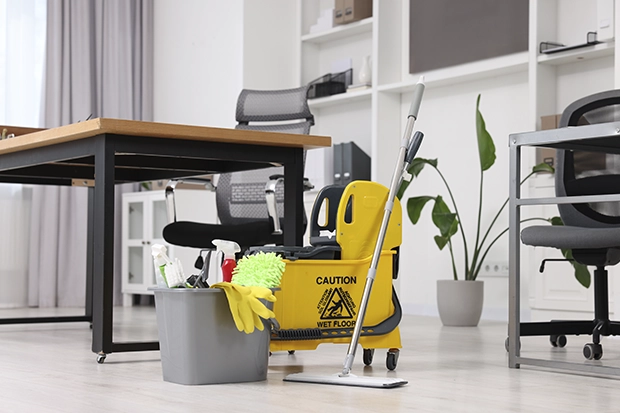
Next, collect your supplies before you begin. This small step makes a big difference. If you stop every few minutes to find a sponge or towel, you lose time and energy.
Keep your tools in one bucket or basket. Then, carry them from room to room. As a result, your home cleaning routine feels smoother and more organized.
Here is a simple table to help you stay ready:
| Task | Useful Tools | Why It Helps |
| Dusting | Microfiber cloth, duster | Traps dust instead of spreading it |
| Surface wiping | All-purpose cleaner, sponge | Lifts dirt from counters and tables |
| Floors | Broom, vacuum, mop | Removes crumbs, dust, and buildup |
You may also want gloves, paper towels, a scrub brush, and trash bags. However, do not overload yourself with too many items. Use what fits your home and your needs.
“Good cleaning is not about having more tools. It is about using the right ones well.”
When everything is within reach, you stay on task. So, you clean faster and feel less frustrated.
3. Declutter Before You Deep Clean
Now, clear the clutter before you clean the actual surfaces. This step matters because items left around block your progress. They also make your home look messier than it is.
Pick up clothes, toys, papers, dishes, and random items first. Then, put each one where it belongs. If something has no home, place it in a basket for later sorting. As a result, your rooms feel lighter right away.
This part of home cleaning is often skipped. Yet it saves time later. After all, it is easier to wipe a table when it is not covered with mail and cups.
Try this quick method:
- Keep one trash bag for garbage
- Keep one basket for misplaced items
- Put away only what belongs in that room
Do not aim for perfection. Instead, aim for progress. Even ten minutes of decluttering can change how a room feels. Also, clear spaces are easier to dust, sweep, and wipe down. So, when clutter goes first, every other step becomes easier.
4. Dust From Top to Bottom
Once the clutter is gone, start dusting. Always work from high spots down to lower ones. That way, fallen dust does not ruin areas you already cleaned.
Begin with ceiling fans, shelves, frames, and lamps. Then, move to tables, baseboards, and lower surfaces. For best results, use a microfiber cloth because it holds dust well. If you use a dry cloth that pushes dust around, you may need to clean the same spot twice.
Dust builds up more than many people notice. It can settle on vents, electronics, blinds, and corners. So, this part of home cleaning helps your space look better and feel fresher.
Focus on Hidden Dust
Check these common trouble spots:
- Behind TVs
- Under furniture edges
- Window sills
- Door frames
Use Gentle Strokes
Do not rush and scatter dust. Instead, wipe with slow, even motions.
Because dust moves downward, this method makes sense. And when you follow the right order, you cut down extra work and get cleaner results.
5. Tackle the Kitchen With a Clear Method
The kitchen needs special attention because it collects grease, crumbs, spills, and germs. So, clean it with a set order instead of jumping around.
First, wash dishes or load the dishwasher. Then, clear and wipe the counters. After that, clean the stovetop, cabinet fronts, and the outside of appliances. Finally, wipe the sink and sweep the floor.
This part of home cleaning matters because the kitchen is one of the busiest areas in any home. Since food is prepared there, clean surfaces help support a healthier space.
Pay close attention to:
- Sink handles
- Refrigerator door handles
- Microwave buttons
- Counter corners
Also, do not forget grease. It often sticks to surfaces near the stove. So, wipe those spots with care. If crumbs collect in corners, use a small brush or cloth to lift them out.
When you clean the kitchen in steps, it feels less overwhelming. And because the room gets used daily, a steady routine keeps the mess from building too fast.
6. Clean Bathrooms the Smart Way
Bathrooms can feel unpleasant to clean, but a smart system helps. First, spray the toilet, sink, tub, and shower area. Then, let the cleaner sit for a few minutes. While it works, wipe the mirror and other surfaces.
Next, scrub the sink and fixtures. After that, clean the toilet from top to bottom. Then, scrub the tub or shower. Last, wipe high-touch areas like handles, switches, and the flush lever.
Because bathrooms hold moisture, they can collect soap film, grime, and odors fast. So, regular home cleaning keeps the room fresher and easier to manage.
Try to remember these spots:
- Faucet bases
- Behind the toilet
- Shower corners
- Bathroom floor edges
Also, use a fresh cloth for final wiping if possible. That helps stop dirt from spreading back onto clean areas. When you move in a steady order, the job feels more manageable. And once the bathroom shines, the whole home feels cleaner too.
7. Finish Strong With Floors and Final Touches
Floors should come last in most rooms. That is because dust, crumbs, and hair fall as you clean. So, if you vacuum or mop too early, you may need to do it again.
First, sweep or vacuum well. Then, mop hard floors if needed. Move chairs and small items when you can. Also, get into corners, along baseboards, and under tables. Those spots often hide the most dirt.
This final step in home cleaning pulls everything together. A clean floor makes the whole room feel polished. Even if you miss a small shelf, shiny floors still create a strong, clean look.
Before you finish, do a quick reset:
- Empty the trash
- Put tools away
- Fluff pillows
- Straighten rugs
These little touches matter. They make your home feel fresh, neat, and welcoming. As a result, you end your cleaning session with a real sense of reward. That good feeling often makes it easier to clean again next time.
8. Build a Routine You Can Keep
The best cleaning routine is one you can actually follow. So, do not create a schedule that feels too hard. Instead, choose simple daily and weekly tasks that fit your life.
For example, wipe counters each day, sweep high-traffic floors often, and clean bathrooms once a week. Then, rotate deeper tasks like baseboards, inside appliances, and windows. As a result, home cleaning becomes part of your normal rhythm.
A steady routine gives you real benefits:
- Less stress before guests arrive
- Less dirt buildup over time
- Faster weekly cleaning sessions
- A more peaceful home environment
Even short cleaning sessions help. Ten to fifteen minutes a day can prevent major messes later. Also, routines teach everyone in the home to help out more.
In the end, a sparkling home does not come from one huge cleaning day. It comes from simple habits done often. And when you stay consistent, your home feels cleaner, calmer, and easier to enjoy. For homeowners who want dependable home cleaning support, Prime Cleaning Group offers professional home cleaning services backed by local business details for Prime Cleaning Group. Top of Form