
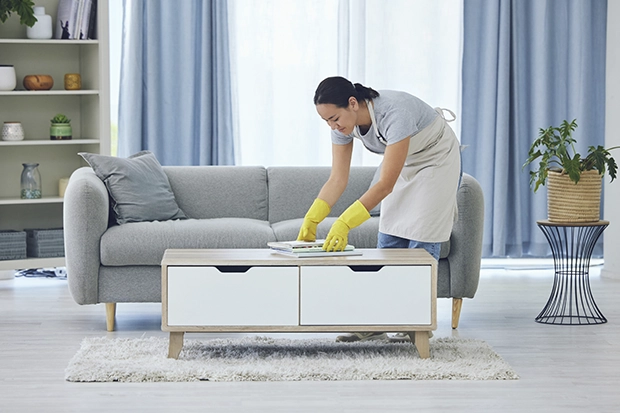
A clean office does more than look nice. It helps people feel better, think clearly, and work with less stress. When dust builds up, trash piles up, and shared surfaces stay dirty, germs spread fast. As a result, your team may deal with more sneezing, more distractions, and less comfort during the day.
That is why office cleaning matters so much. It supports health, focus, and peace of mind. It also helps visitors, clients, and staff feel confident in the space. Even small habits can make a big difference over time. For example, wiping desks, emptying bins, and cleaning high-touch spots can lower dirt and reduce mess before it grows.
In this blog, you will find simple, useful tips you can start right away. Each one is easy to follow and built for real offices. So, whether you manage a small suite or a busy workspace, these ideas can help you create a cleaner, healthier place for everyone.
1. Start With High-Touch Surfaces Every Day
If you want fast results, start with the surfaces people touch the most. These spots collect germs all day. They also spread them quickly from one person to another. So, daily attention here gives you a strong first win.
Focus on:
- Door handles
- Light switches
- Keyboards
- Phones
- Desk edges
- Shared tables
- Break room handles
A simple wipe-down can help lower the spread of dirt and bacteria. Also, it keeps the office looking cared for. That matters more than many people think. When workers see clean spaces, they often keep them cleaner too.
“The cleanest offices are not cleaned once in a while. They are cleaned in the right places every day.”
This tip saves time as well. Instead of waiting for deep grime to build up, you stay ahead of the problem. In other words, daily touchpoint cleaning is one of the smartest office cleaning habits you can build.
2. Keep Desks Clear to Cut Dust and Stress
A messy desk does not just look bad. It also traps dust, crumbs, and germs. Papers pile up. Coffee rings stay behind. Forgotten snacks attract pests. Over time, that small mess can turn into a bigger issue.
Encourage workers to clear their desks before they leave each day. This habit makes cleaning faster and more effective. It also helps people start the next morning with a fresh mind. A clean desk often leads to a calmer mood and better focus.
You can make this easier with a simple end-of-day routine:
| Desk Reset Step | Why It Helps | What to Do |
| Clear surfaces | Reduces dust traps | • Put papers away • Toss trash • Remove food items |
| Wipe shared tools | Cuts germ spread | • Clean phone • Wipe keyboard • Sanitize mouse |
| Organize supplies | Saves time the next day | • Stack notebooks • Return pens • Store chargers |
Because clutter blocks good cleaning, tidy desks support better office cleaning results. They also help the whole office feel lighter, neater, and more welcoming.
3. “Don’t Ignore the Break Room.”
The break room may seem harmless, but it often holds hidden mess. Spilled coffee, food crumbs, sticky handles, and dirty sinks can build up fast. Since many people use this area, it needs steady care.
Start with the basics. Wipe counters often. Clean the sink well. Empty the trash before it overflows. Then check the microwave, fridge handle, cabinet pulls, and table surfaces. These areas get touched a lot, yet people often miss them.
A dirty break room can affect more than health. It can hurt morale, too. Workers do not want to relax in a space that smells bad or feels unclean. So, keeping this room fresh helps everyone enjoy their breaks more.
You can also post friendly reminders near the sink or fridge. Short notes work well. For example: clean up spills, label food, and toss old leftovers. These small actions support stronger office cleaning habits and reduce daily buildup without making the task feel overwhelming.
4. Improve Air Quality Along With Surface Cleaning
A healthy workspace is not only about what you can see. The air matters too. Dust, stale smells, and poor airflow can make people feel tired or uncomfortable. In some cases, they may even trigger headaches or allergies.
So, good office cleaning should include air-friendly habits:
- Dust vents and returns often
- Vacuum carpets with care
- Clean fabric chairs regularly
- Open windows when possible
- Replace filters on schedule
Why air care matters
Cleaner air can help staff breathe easier and feel more alert.
What to watch for
Musty smells, visible dust, and stuffy rooms often point to buildup.
What to do next
Pair surface cleaning with filter checks and regular vacuuming.
5. Clean Floors Often Before Dirt Spreads
Floors collect everything. Shoes bring in dust, mud, pollen, and germs from outside. Then people walk that dirt through the whole office. Because of this, floor care should never be an afterthought.
Vacuum carpets often, especially in entryways and hallways. Sweep hard floors daily if traffic is high. Mop when needed, but do not leave floors too wet. Wet floors can create safety risks and leave streaks behind.
Pay close attention to corners, under desks, and around chair legs. These spots often trap dust and crumbs. Also, use entry mats near doors. They catch dirt early and reduce what gets tracked inside.
“Clean floors do more than shine. They protect the whole workspace from spreading dirt.”
This tip helps with health and appearance at the same time. Cleaner floors mean less dust in the air and less grime on shoes, bags, and furniture. So, strong floor care supports the full goal of office cleaning in a practical, visible way.
6. Restrooms Need a Clear, Consistent Routine
Restrooms shape how people judge the whole office. Even if the front desk looks perfect, a dirty restroom leaves a bad impression. More importantly, it can become a serious hygiene problem.
That is why restroom care needs a fixed routine, not random attention. Clean toilets, sinks, mirrors, faucets, and stall handles often. Refill soap, paper towels, and tissue before they run out. Then check trash bins and floors throughout the day.
Bad smells also matter. If a restroom smells dirty, people assume it is dirty. So, odor control should be part of the plan. Clean drains, empty bins, and wipe damp spots before they turn into larger problems.
A consistent system helps everyone. Staff feel more comfortable. Guests feel more confident. And managers deal with fewer complaints. In short, restrooms are one of the most important parts of effective office cleaning, because they affect health, trust, and the daily experience of every person in the building.
7. Build a Simple Weekly Deep-Clean Checklist
Daily cleaning handles the basics, but weekly tasks go deeper. These jobs catch the areas people miss during busy workdays. So, if you want lasting results, you need a simple weekly plan.
Include tasks like dusting baseboards, wiping blinds, cleaning under furniture, sanitizing shared equipment, and spot-cleaning walls. You should also check corners, storage areas, and meeting rooms. These places often look fine at first glance, yet dirt can hide there.
A weekly checklist keeps the work organized. It also makes standards easier to follow. When tasks are clear, nothing important slips through the cracks. That saves time and avoids last-minute stress.
Try dividing the checklist by area instead of by person. For example, list the lobby, restroom, kitchen, workstations, and conference rooms. This makes the process easier to track. In the long run, a steady weekly system strengthens your office cleaning routine and helps the office stay healthier, fresher, and easier to manage.
Conclusion: A Cleaner Office Helps Everyone
A healthier workspace does not happen by accident. It grows from simple habits done well and often. When you clean high-touch points, clear desks, refresh the air, care for floors, maintain restrooms, and follow a weekly plan, you create an office that feels better every day.
That matters to everyone. Employees get a cleaner place to work. Visitors get a better first impression. And managers get a space that supports focus, comfort, and daily pride.
For businesses that want a cleaner, more organized workplace, Prime Cleaning Group provides office cleaning support tailored to real office needs.